Retired blade composites
Start with a defined feedstock. Identify the composite material and fiber type before choosing a recovery route.
A blade can reach the end of its service life without ending the useful life of its materials.
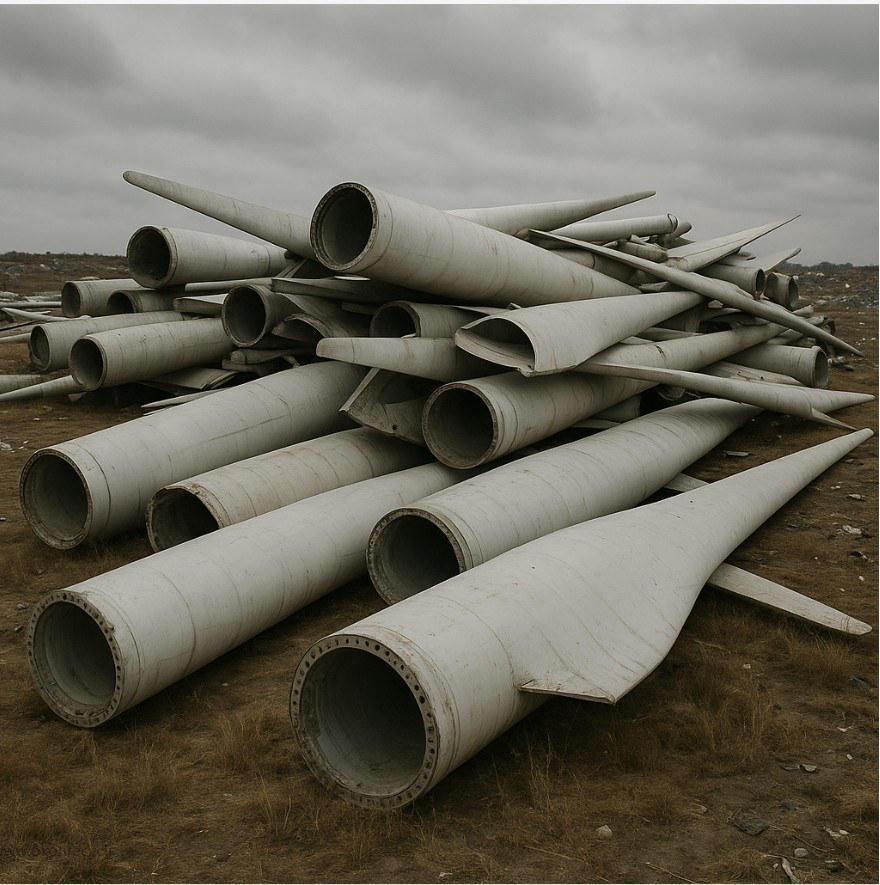 01Blade feedstock
Blades sorted by fiber type to define the recoverable feedstock.
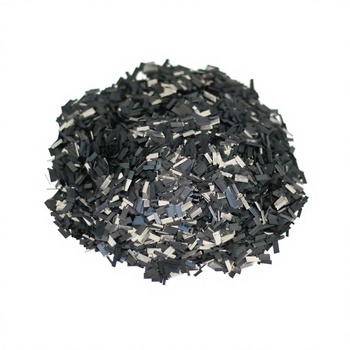 02Fiber recovery
Dismantling, precision sorting and purification into recycled carbon and glass fiber.
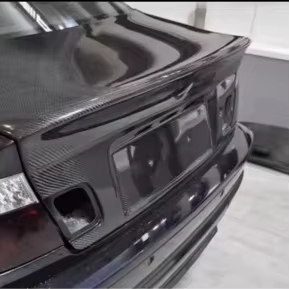 03Application qualification
Graded and validated against the next part's requirements, not assumed a drop-in.
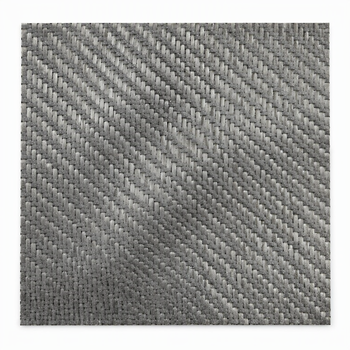 04Material selection
Chopped fiber, powder, mat, fabric and SMC, selected by form and grade.
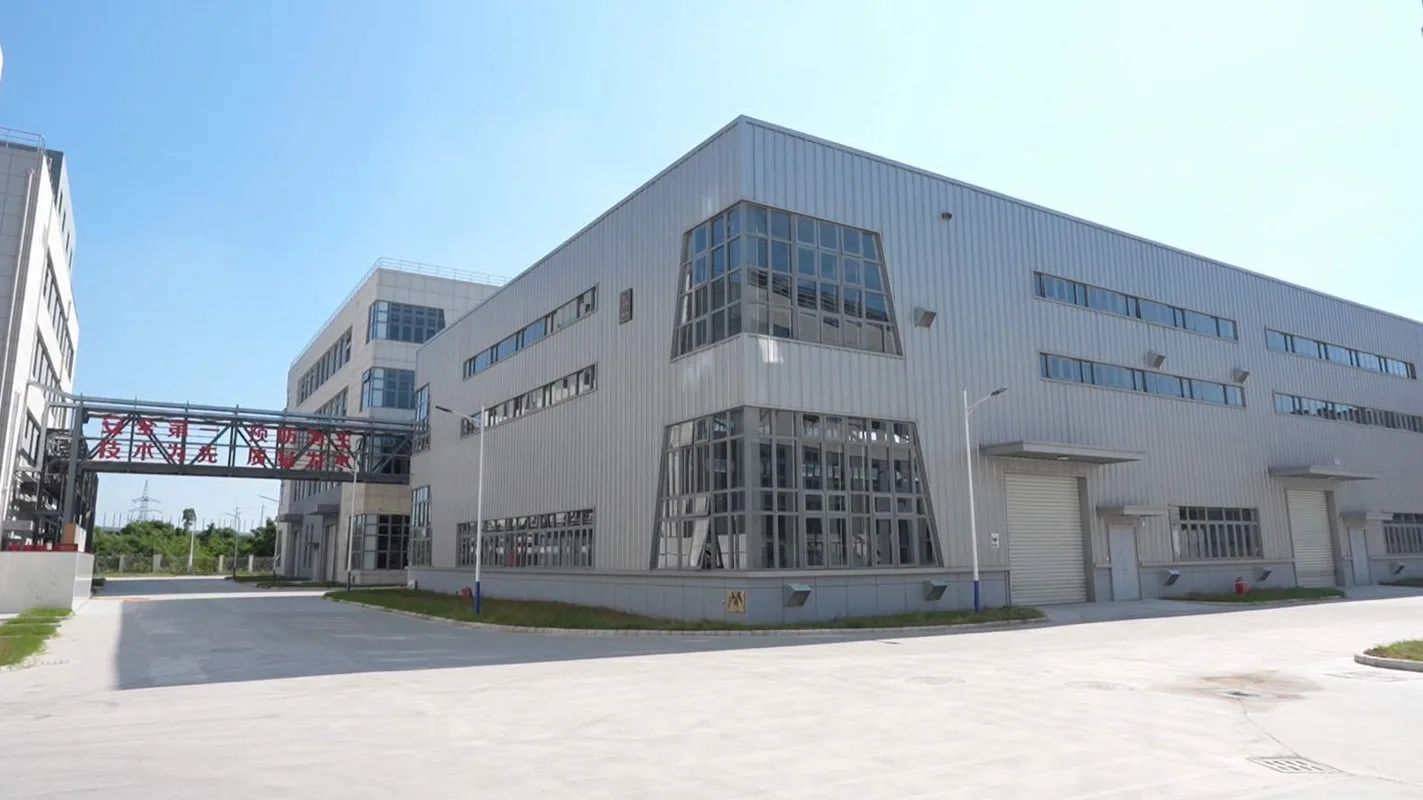 05Volume supply planning
Confirm feedstock availability, volume, batch requirements and lead time.
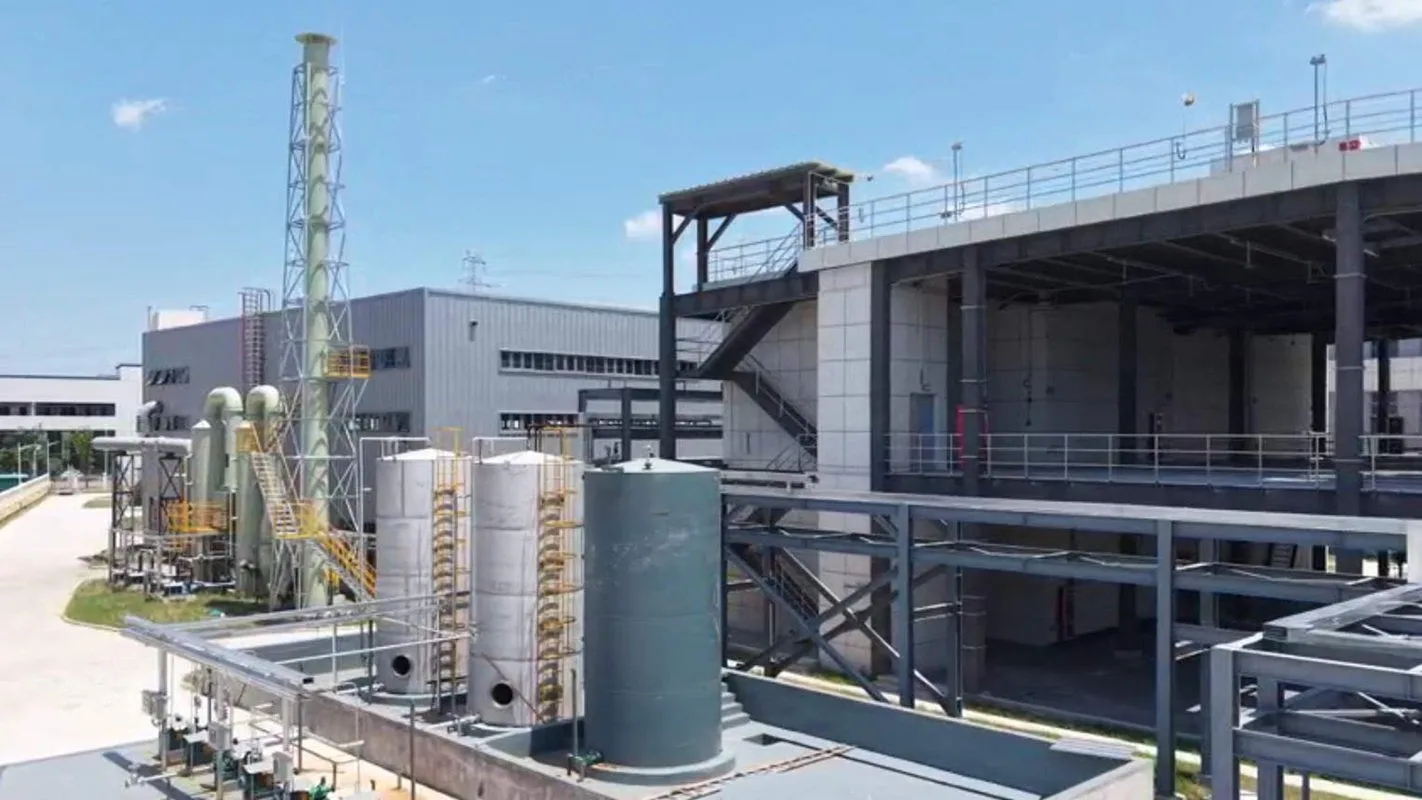 06Discuss your project
Share application, specifications and volume to draft an inquiry.
Start with a defined feedstock. Identify the composite material and fiber type before choosing a recovery route.
Recover usable reinforcement and prepare it in forms suited to new material formulations.
Select a grade and validate it against the requirements of the next part, rather than assuming a drop-in replacement.
Discuss feedstock availability, project volume, batch requirements and lead time with our team before moving from samples to recurring supply.
Discuss volume requirements ↗Ask for grade-specific data on fiber length, resin compatibility and the mechanical performance of the finished composite.
Request material data ↗